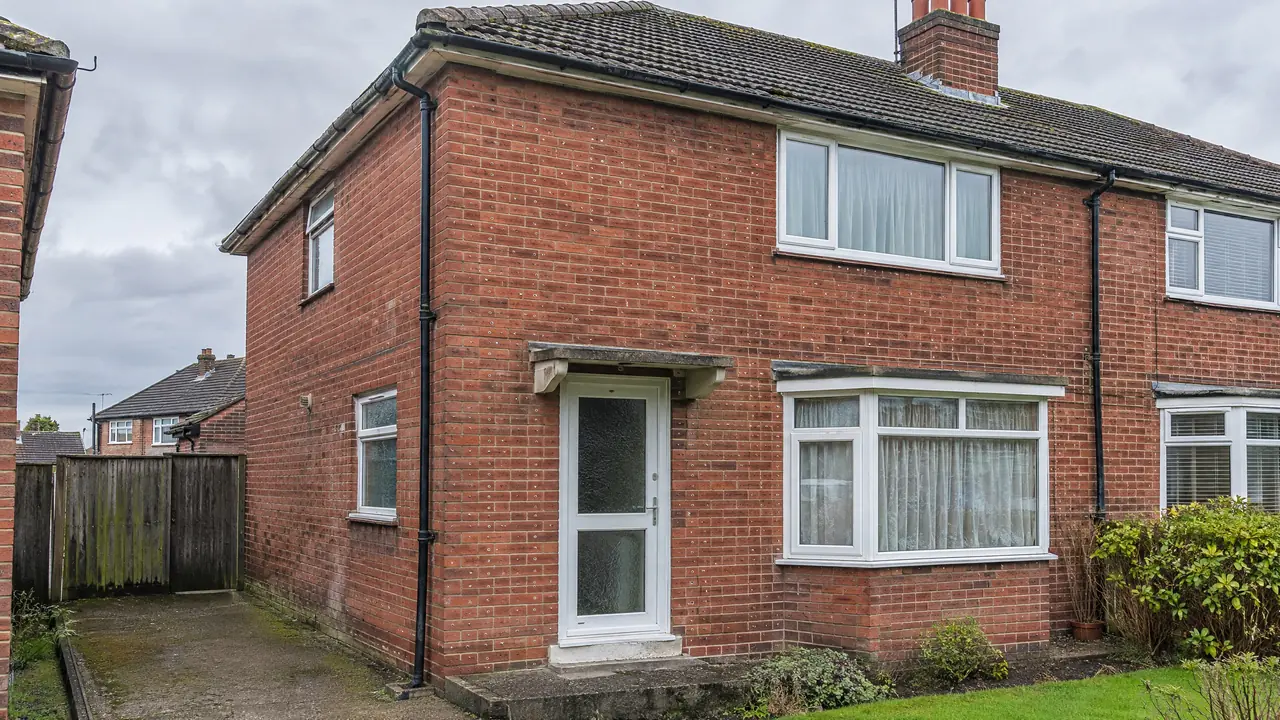
Bulging Walls or Horizontal Cracks? We Fix Failing Wall Ties
Wall Tie Replacement Service in Hartlepool
Cavity Wall Tie Replacement Service in Hartlepool
Corroded Ties in Semis, Terraces and Detached Homes
Our wall tie replacement service covers homes across Hartlepool. At Brick Repointing Team, we find cavity wall ties that have rusted, snapped or let go, and we fit new ones that last.
We work on semi-detached houses, terraces, detached homes, bungalows and period properties. Most calls come from homeowners who spot a crack or a bulge. Others come from landlords, buyers and sellers who want a straight answer about their wall ties.
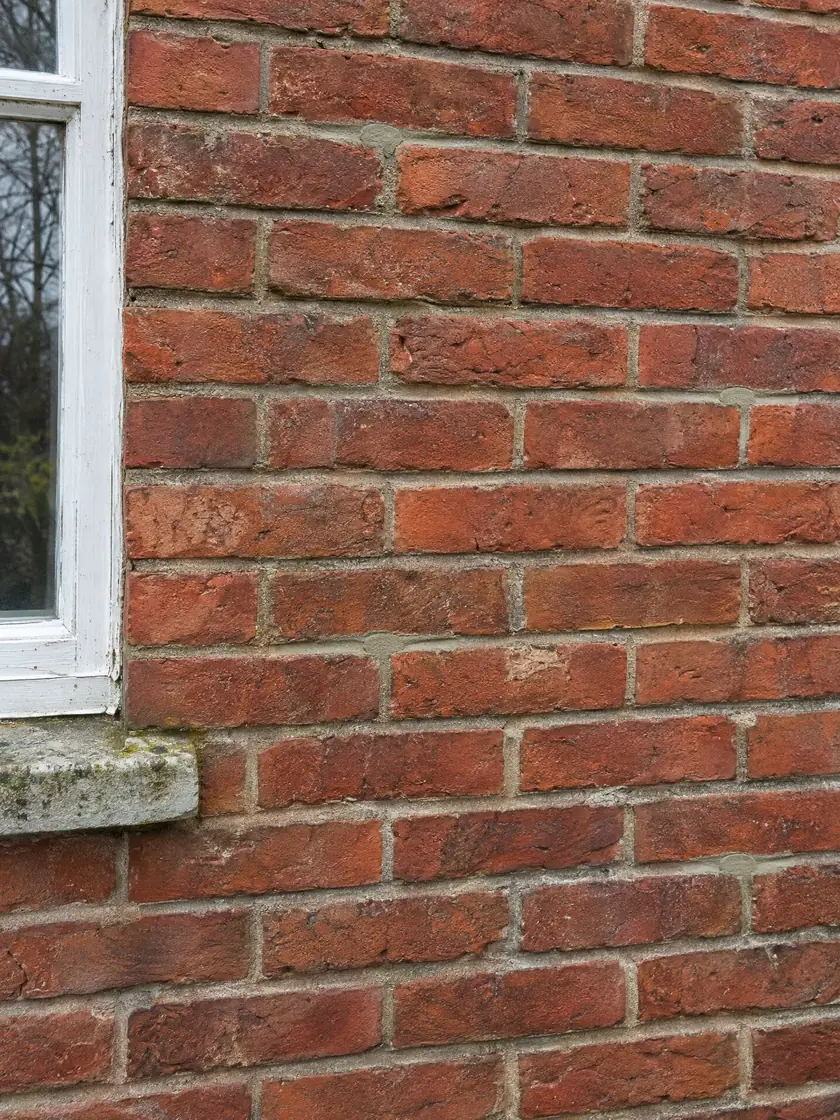 New ties fitted
Flood warning areas and wall repair in Hartlepool
The Environment Agency has three flood warning areas on the North Sea coast in Hartlepool. West Harbour and Old Town covers properties including Queen Street, the Yacht Club, Ensign Court and Chandlers Close. Victoria Harbour covers properties including Town Wall, Southgate, Victoria Street, Friendship Lane, Sunniside and Abbey Street. The Headland covers properties including Marine Drive, Sea View Terrace, York Place, Albion Terrace, South Crescent, Moor Parade and Broad Field Road. If your property is on one of these streets, tell us when you get in touch.
Before agreeing any repair, we survey the wall, note any crack or movement and talk through what we find. GOV.UK's service shows an area's long term flood risk from rivers and the sea, surface water, reservoirs and groundwater, and it is worth checking your address there. The council says it looks after more than 21,000 rainwater gullies across Hartlepool and aims to clear blocked gullies within 3 working days where possible.
The Headland appraisal says modern external cladding or external insulation is inappropriate in the conservation area, can damage the underlying fabric, and may require planning permission or listed building consent. The Seaton Carew appraisal says modern materials such as uPVC, 'plastic' paints, modern insulation and cement-based renders on a traditional building can lead to a build-up of moisture causing damp, condensation and mould growth. Tell us if your wall has been clad, insulated or rendered.
What Do Cavity Wall Ties Do and Why Do They Fail?
What Are Cavity Wall Ties in Plain Words?
+The UK has about 30.3 million properties. Around 21.8 million have a cavity wall and about 8.5 million have solid walls. That makes cavity wall construction the norm, so cavity wall ties sit inside most of our homes.
A cavity wall has two layers of masonry with a gap between them. Wall ties connect the inner and outer layers, a bit like staples holding two sheets of paper together. Without wall ties, the outer leaf would stand alone and wobble in the wind.
Good cavity wall ties keep the external leaf tied back to the inner leaf. That protects the structural integrity of your home. Most wall ties are out of sight, so nobody thinks about them until something goes wrong.
Why Do Old Cavity Wall Ties Corrode and Fail?
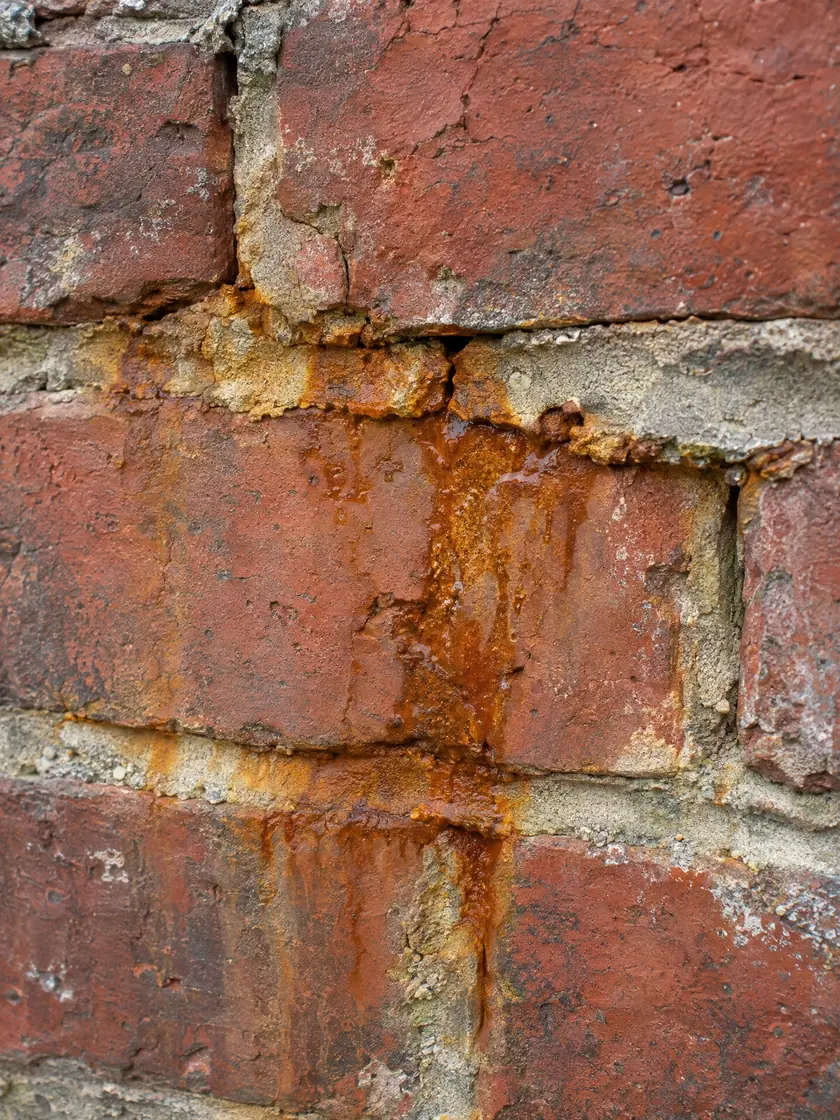
+Properties built between the 1920s and 1980s commonly used mild steel wall ties or galvanised cavity wall ties. Damp gets into the cavity over time, and mild steel ties rust. Wall ties corrode slowly at first, then faster as the rust spreads.
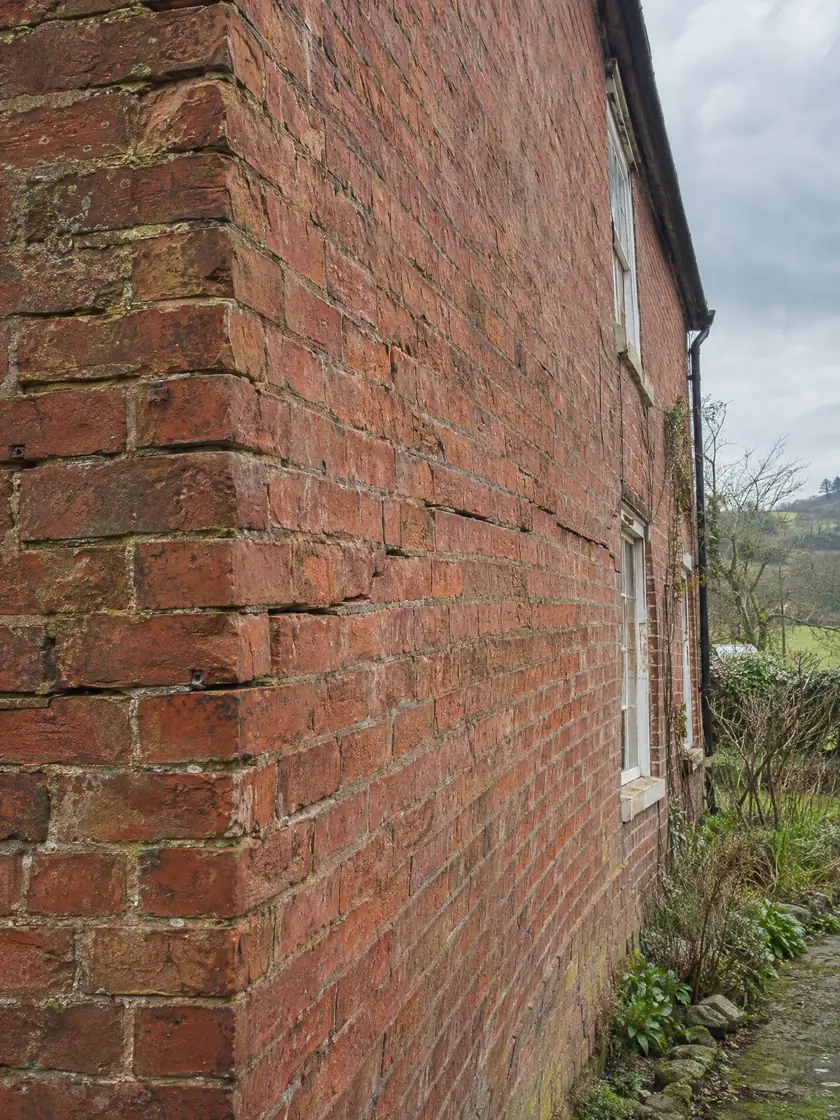
Older steel wall ties can oxidise and expand, which cracks the surrounding mortar and weakens the masonry. That wall tie corrosion pushes the outer wall outward bit by bit, causing horizontal cracking along the mortar bed.
Cavity wall tie failure takes years to show, so the damage has often built up long before you notice it.
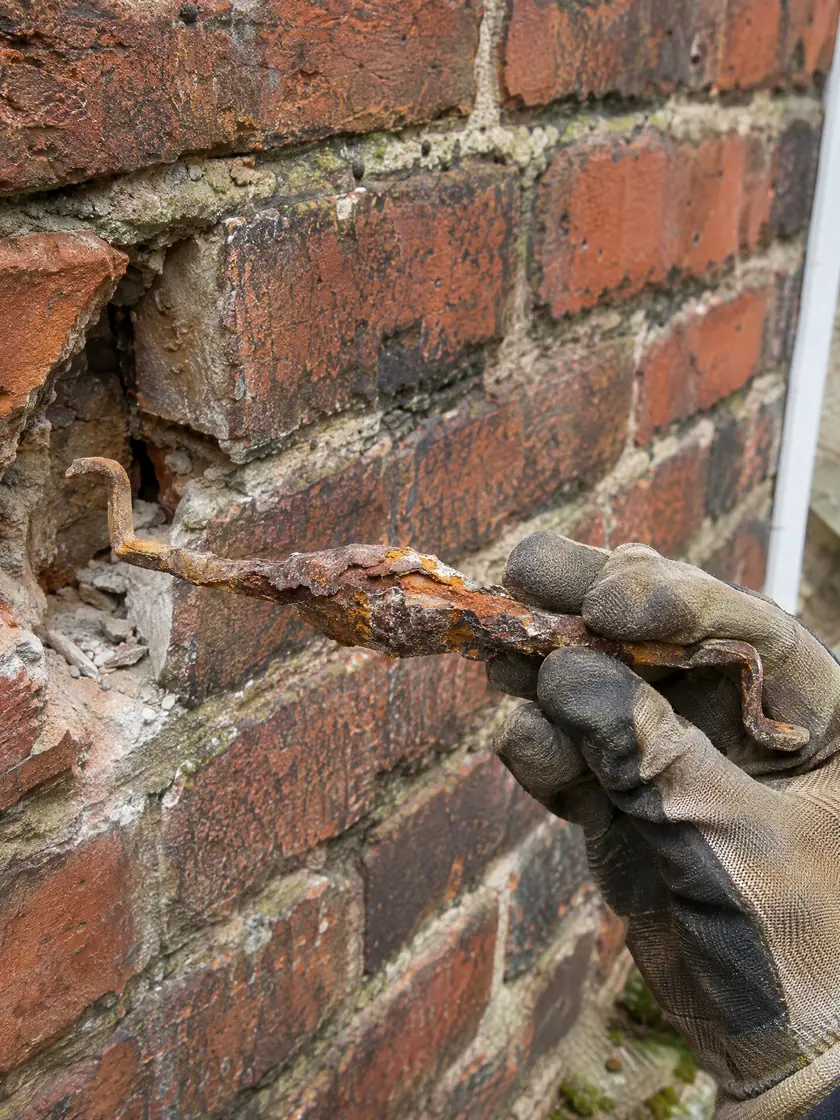 Corroded ties
What Are the Signs of Wall Tie Failure at Your Home?
Which Cracks, Bulges and Stains Should You Look For?
+These are the signs of wall tie failure we see most often across Hartlepool and the surrounding area:
- Horizontal cracks running in lines across the outer wall
- Rust staining on the brickwork
- Lifting at the eaves
- Cracks around window reveals
- Bowing or bulging brickwork
Corroded wall ties may even show where mortar has deteriorated or fallen away. If you spot rusty metal, leave it alone and call us.
Wall tie failure is behind many horizontal cracks, but not all of them. Rust pushes on the mortar, causing cracking around windows and doors.
Stepped cracks usually point to ground movement. Those belong to our separate brick crack repair service, and we will tell you if that is what you have.
Which Homes in the North East Are Most at Risk?
+Age matters most. We see it in 1930s semis, post-war estates and 1970s detached homes, where the ties are now old ties that have done their time. Wall faults show up in every kind of tenure, with figures of about 10% in private rented homes, 7% in social rented homes and 4% in owner-occupied homes.
Landlords often book us before re-letting, because tired cavity wall ties put a tenancy at risk. Buyers and sellers book us when a mortgage lender or a building surveyor flags a worry with the walls. Filled cavities need care too, because cavity wall insulation can trap damp against the wall ties, and we check for that.
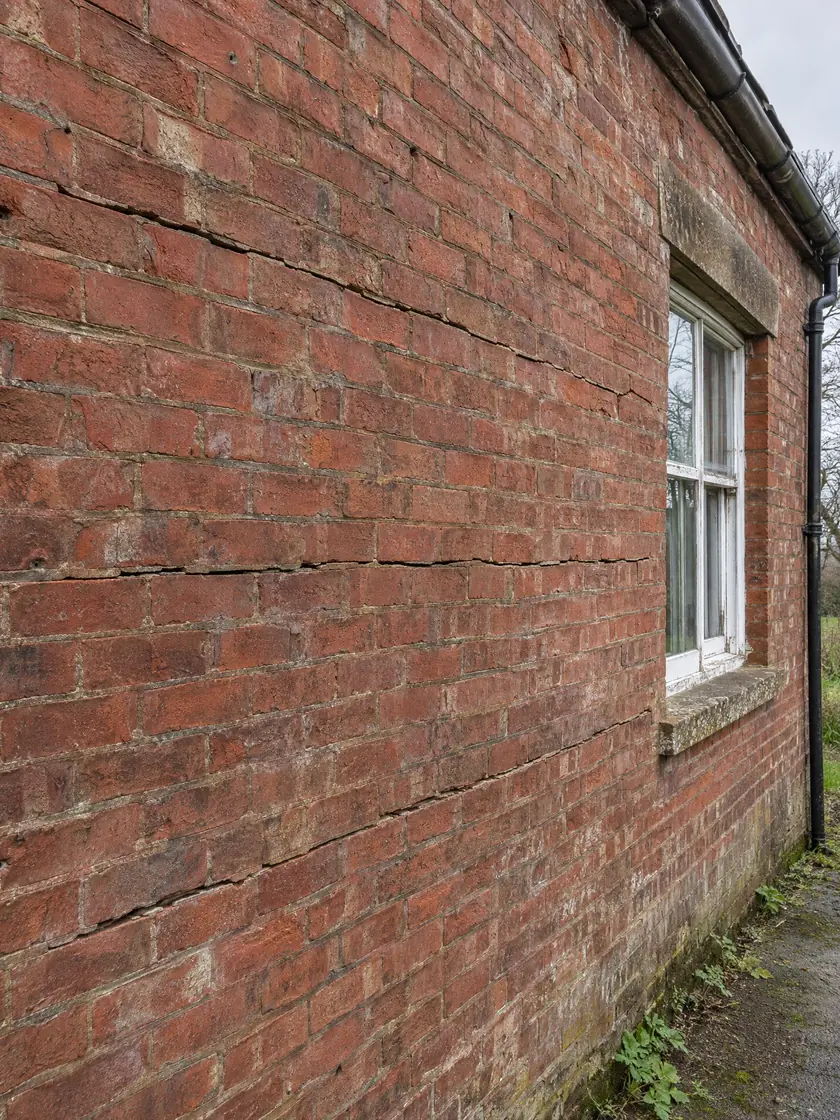 Signs of failure
How Urgent Is Wall Tie Replacement?
Can You Wait or Do You Need to Act Now?
+Wall tie replacement is not an emergency in most cases, but don't leave it. Failing cavity wall ties rarely cause a collapse overnight, but they get worse every winter. Rust grows, the wall moves more and further corrosion means more wall ties to fix.
Book a survey within a few weeks if you see hairline horizontal cracks or rust stains. Call us straight away if a wall is bulging or the roof edge is lifting. Keep people and cars away from any wall that looks like it is leaning.
Waiting has a price. A small job can turn into structural work that means taking down and rebuilding brickwork. Early structural repairs cost far less, and they stop further damage.
What Happens If You Ignore Failing Wall Ties?
+The wall keeps moving. Wall movement opens gaps, lets water in and strains the roof, the windows and the floors beside it. In the worst cases, structural damage means a section of outer wall has to come down.
Small structural repairs now protect you from big structural repairs next year.
 Do not leave it
What Does a Wall Tie Survey Involve?
How Do We Check Your Cavity Walls Without Opening Them Up?
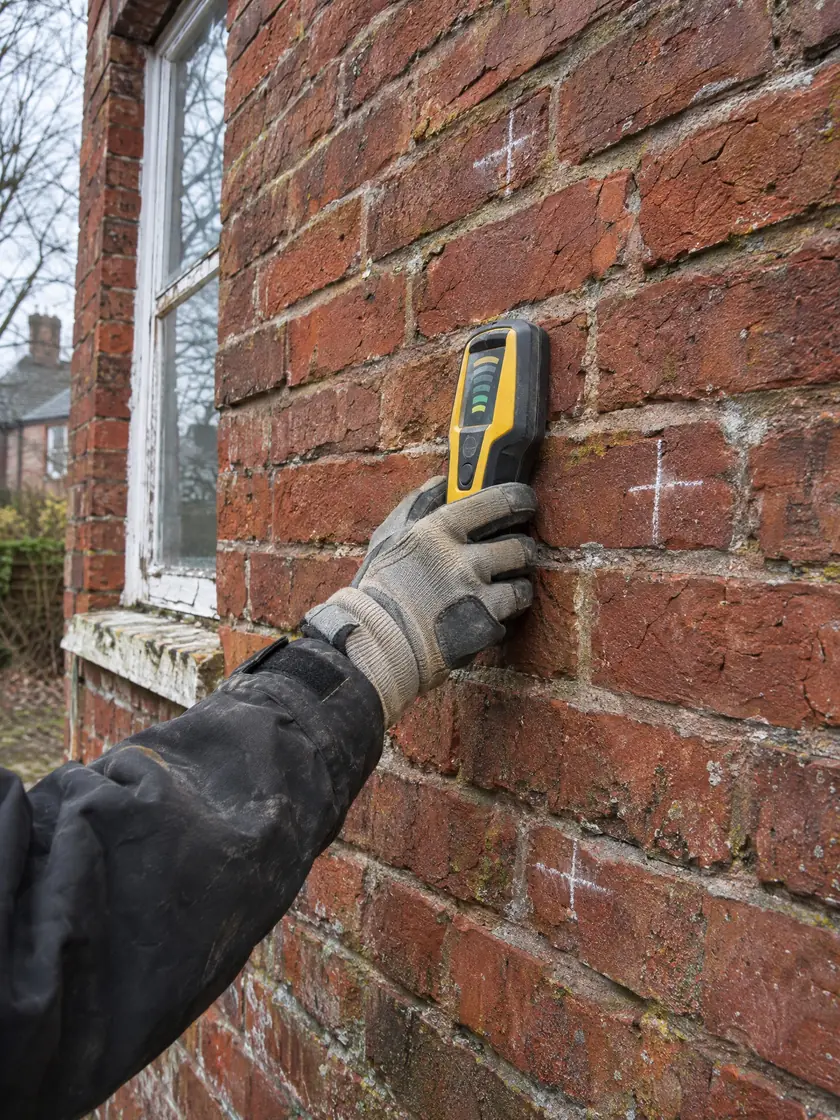
+Our wall tie replacement services start with a survey, because we never guess. A wall tie survey assesses the condition and positioning of the cavity wall ties inside the wall. We start outside, checking the external brickwork, the mortar joints and any cracks. Then we use a metal detector to find the existing wall ties and see how many there are and where they sit.
Next we use a borescope, a tiny camera on a thin tube, through a small hole in a joint to look inside the cavity. Our specialist equipment means we never need to take your wall apart. These cavity wall inspections usually take a few hours for a typical house.
What Do You Get in Your Detailed Report?
+Afterwards, you get a detailed report. It shows which existing ties are sound, which are corroded and how many replacement wall ties your home needs. Photos back up every finding. That gives you a clear plan for cavity wall tie replacement.
If you are buying or selling, we write it so a lender or surveyor can use it. If your home still has original wall ties, we suggest a wall tie survey at regular intervals, such as before a sale or after a harsh winter.
 The survey
How Do We Carry Out Cavity Wall Tie Replacement?
What Happens During the Installation Process?
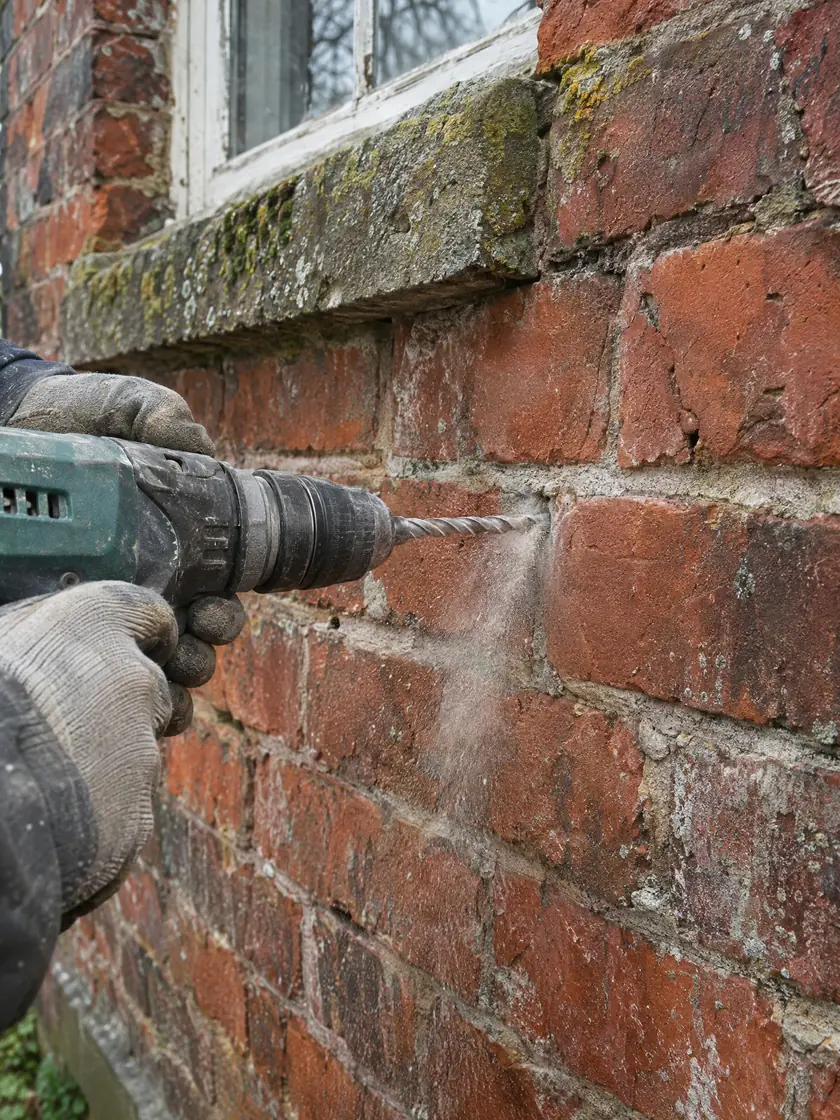
+Our wall tie replacement services are neat and quick. We use the metal detector again to mark out where the new wall ties go, set in a staggered pattern away from the original ties. We fit them at a rate of about 2.5 wall ties per square metre.
Correct installation means drilling through the outer leaf and into the inner one, so each tie reaches both leaves of the masonry. Wall ties are embedded 50 to 70mm into the internal leaf. We then isolate the original corroded wall ties so they cannot push on the brickwork again.
The replacement process usually takes a day or two for a typical house, depending on its size. Cavity wall tie replacement is mostly drilling and fixing, so the noise is short and the mess is small. You do not need to move out, and when we replace wall ties, we cover your floors and clear up as we go.
Which Stainless Steel Ties and Fixings Do We Use?
+Replacement wall ties are typically made from stainless steel, so they do not rust the way old ones did. We use stainless steel wall ties for most jobs, and stainless steel remedial ties where the wall needs a repair fix. Modern stainless steel ties like these are built to last for decades.
Resin-fixed, mechanically fixed and cementitious systems all have a place. The right one depends on your construction type and the state of the masonry.
How Do We Finish and Tidy the Brickwork?
+Once the ties are in, we fill each drill hole with repair mortar matched to the existing brickwork. The finish looks consistent, and you will struggle to spot where we worked. Where joints have failed, we repoint them to match, as part of our wider brickwork repairs.
The result is a stable wall. Modern wall ties stop lateral movement of the outer leaf, and that brings back structural stability to the whole wall. Fixing the wall ties first keeps structural repairs small.
 Fitting new ties
Is Wall Tie Failure Covered by Insurance?
Will Your Home Insurance Pay for Wall Tie Repairs?
+Usually not, and wall tie replacement is normally paid for by the owner. Most policies exclude gradual wear, rust and poor upkeep, and wall tie corrosion falls into that group. A few policies pay out after sudden damage, so check yours before work starts.
How Do You Give a Claim the Best Chance?
+Ring your insurer first and ask what your policy says. Keep our report, the photos and the dates, because they give your insurer plain facts about your wall ties.
 Wear, not storm damage
How Much Does a Wall Tie Replacement Service Cost in Hartlepool?
What Are Our Rough Prices Based on Recent Projects?
These are our rough prices based on recent projects across Hartlepool and the surrounding area:
- Wall tie survey: £225 to £525, around £375
- Cost per tie, fitted: £11 to £20, around £16
- Cost per square metre of wall: £28 to £51, around £40
- Small terraced house: £1,400 to £2,100, around £1,750
- Semi-detached house: £1,450 to £3,200, around £2,300
What Changes the Price of Your Job?
Your wall tie replacement cost depends on the wall area, access requirements and the type of tie required. Most of the price is labour and access, not the wall ties themselves. Higher walls need scaffolding, and that adds to the bill. If failing wall ties have gone unchecked for years, structural repairs can push the price up too.
We offer competitive prices and put every figure in writing before we start. Nothing changes without your say.
The prices above are a rough guide, and the actual cost varies from home to home. Please get in touch through our contact form for an accurate quote.
Why Choose Brick Repointing Team for Wall Tie Replacement in Hartlepool?
What Makes Our Team the Right Choice for Your Walls?
+We are a professional service with a skilled workforce, and every job gets the same care. We follow the standards promoted by bodies such as the Property Care Association and the Federation of Master Builders. Our fitters, a key part of our team, are approved installers for the systems we use to fit wall ties.
Our wall tie replacement services come with a written guarantee, a clear plan and a tidy site. We replace cavity wall ties for good rather than patching cracks, because patching hides wall ties that are still failing. We also check for other structural problems while we are on site.
Which Areas Do We Cover in Hartlepool and the surrounding area?
+Our wall tie replacement services cover Newcastle, Gateshead, Sunderland, Durham, Hartlepool, Middlesbrough, Darlington and Stockton in the North East. In North Yorkshire, we work in York, Harrogate, Scarborough, Whitby, Northallerton and Ripon. If you live nearby, ask us.
 Neat finish
Get Your Free Quote for Wall Tie Replacement From Brick Repointing Team
Don't let a few rusty wall ties turn into a big bill. Send us your details through our contact form, and Brick Repointing Team will arrange your free quote and a wall tie survey. Tell us where you see cracks and we will check the wall ties.
 Free quote
Questions people ask us
How much does a wall tie replacement service cost in Hartlepool?
A wall tie replacement service costs around £16 per tie fitted, within a range of £11 to £20. On recent projects, a small terraced house came to £1,400 to £2,100 and a semi-detached house to £1,450 to £3,200. These figures are a rough guide and the actual cost varies from home to home, so please use our contact form for an accurate quote.
What are the signs of wall tie failure?
The signs of wall tie failure include horizontal cracks running in lines across the outer wall, rust staining on the brickwork and bowing or bulging brickwork. You may also notice lifting at the eaves or cracks around window reveals. If you spot any of these, leave rusty metal alone and call us so we can survey the ties properly.
Is wall tie replacement urgent?
Wall tie replacement is not an emergency in most cases, but it should not be left, because failing ties get worse every winter. Book a survey within a few weeks if you see hairline horizontal cracks or rust stains, and call us straight away if a wall is bulging or the roof edge is lifting. Early repairs cost far less than taking down and rebuilding brickwork later.
How long does wall tie replacement take?
Wall tie replacement usually takes a day or two for a typical house, depending on its size. The survey beforehand normally takes a few hours. You do not need to move out, as the work is mostly drilling and fixing, and we cover your floors and clear up as we go.
Does home insurance cover wall tie replacement?
Home insurance usually does not cover wall tie replacement, which is normally paid for by the owner. Most policies exclude gradual wear, rust and poor upkeep, although a few pay out after sudden damage, so check yours before work starts. If you do claim, keep our report, the photos and the dates to give your insurer plain facts.
What does a wall tie survey involve?
A wall tie survey involves checking the outer brickwork and mortar joints, using a metal detector to find the existing ties, then looking inside the cavity with a borescope through a small hole in a joint. This means we never need to take your wall apart. You then receive a detailed report with photos showing which ties are sound, which are corroded and how many replacements your home needs.
Other work we do in Hartlepool
Rusty ties turn into a big bill
Send us your details and we will arrange a survey and a free written quote.